



- Tel: +86-755-28169429
- Mob2: +8618124114055
- Email: 779480230@qq.com
 Wechat: 18124114055
whats:+8618926474066
Facebook:Sensaura4066@gmail.com
 QQ: 779480230
- Add: 3rd Floor, Building C, Dongxinjia Industrial Park, No.15 Zhengxiang Road, Guangming New District, Shenzhen.
Microphone with Speaker
We are a professional manufacturer of high-end microphones and earphones, all products are independent research and development and production. Our company's product series are: Wireless microphone, wired microphone, conference microphone (Gooseneck microphone), collar microphone, musical instrument microphone (drum set microphone), computer microphone, teaching microphone, broadcast recording microphone, interview microphone, live microphone.


Why Choose Us
Our Factory
Our company has grown from a small processing plant with more than 20 employees to a large microphone, headphone and audio product manufacturing company with more than 300 employees.
Advanced Equipment
The company has strong technical strength and advanced equipment. It has American HP signal generators, spectrum analyzers, modulators, and electroacoustic testers.
Quality Control
We manufacture products from raw materials entering the factory to finished products leaving the factory. All advanced one-stop production processes are used, and they are strictly tested by skilled technicians to ensure that the products have beautiful appearance, superior performance, and stable quality.
Leading Technology
The more than 1,000 types of microphones and headphone products we independently developed have been recognized by customers all over the world. Our success is due to our leading technology, innovation in microphone and headphone audio technology, and excellent sound unit technology that has won the trust of customers!

Microphone with speaker operate on the same fundamental principle: They convert sound waves into electrical signals and vice versa. A speaker receives electrical signals from an audio source, which it then converts into sound waves. A microphone, on the other hand, picks up sound waves from the environment and converts them into electrical signals.The key component in a diaphragm, a thin piece of material that vibrates when hit by sound waves. In a speaker, the diaphragm vibrates to create sound waves. In a microphone, the diaphragm vibrates in response to sound waves, creating electrical signals. Because of this shared principle, it is technically possible to use a speaker as a microphone and vice versa.
Advantages of Microphone with Speaker
Enhanced Mobility
By combining a wireless microphone and a portable speaker, the user is able to move freely while speaking or performing. This improved mobility improves engagement and interaction with your audience, whether you're a fitness instructor, public speaker, or musician.
01
Crystal Clear Sound
Using innovative wireless technology, these speakers wirelessly send sound to the microphone, ensuring exceptional clarity and removing the limits of tangled cords. This implies that your message or music is delivered to the audience in perfect quality.
02
User-Friendly Control
Modern portable speakers include simple controls that allow you to easily alter volume, EQ settings, and microphone sensitivity. This seamless control promotes a customized audio experience for your specific requirements.
03
Versatile Application
Portable speakers with wireless mics adjust to your needs, whether you're giving a business presentation, teaching a group fitness class, or organizing a wild karaoke night. Their adaptability makes them important for a wide range of situations.
04
Battery Life
These gadgets are designed to give longer operational hours, ensuring continuous functioning. As a result, you can rely on your wireless portable speaker microphone for longer events without being concerned about battery life.
05
Specification of Microphone with Speaker
|
Product Type |
Wireless Speaker Microphone |
|
Speaker Volume |
120 DB SPL Maximum |
|
Microphone Pick-Up |
8 Meters |
|
Microphone Frequency Response |
100Hz-22KHz |
|
Range |
360 Omni-Directional |
|
Power |
Built In Battery |
|
Input |
3.5mm In |
|
Material |
Metal |
|
Interface |
DB6Pin |
|
Operating Temperature |
32°F to 104°F |
|
Storage Temperature |
-4°F to 140°F |
|
Output |
3.5mm out |
|
Relative Humidity |
10% To 90% (non-condensing) |
|
Safety CE Mark |
(R & TTE Directive) |
Types of Microphone With Speake
Wireless Microphone
Offering unparalleled freedom of movement, wireless microphones are the go-to choice for performers who need to roam the stage without being tethered by cables. Perfect for live events, conferences, and speeches, these microphones transmit audio signals to a receiver connected to the speaker system.
Karaoke Microphone
Designed for the ultimate karaoke experience, these karaoke microphones often come with built-in effects such as echo and reverb, allowing users to emulate their favorite artists with flair. Whether you're hosting a karaoke party at home or performing at a venue, karaoke microphones deliver fun and entertainment.
Recording Microphone
When precision and clarity are paramount, recording microphones step up to the plate. Ideal for capturing vocals, instruments, podcasts, and more, these microphones are the backbone of professional recording studios worldwide. With a wide range of options available, from condenser to dynamic microphones, there's a perfect fit for every application.
Materials of Microphone with Speaker
Depending upon the type of microphone, raw materials may vary. Permanent magnets are generally made from a neodymium iron boron compound. The voice coil and cable are made from copper wire. Plastic is used for cable insulation. The case is formed from thin sheet aluminum or mold injected plastic. The aluminum sheet is placed in the die of a punch press. The die is an inverted replica of the desired case shape. The hydraulic punch is release and forces the aluminum into the die. Any excess material is trimmed and discarded.
Precautions for use of Microphone with Speaker
If hand-holding the mic, use your non-dominant hand.
Mics and mic cords will often transmit sounds from touch, bending and vibration. Don't handle them any more than necessary. If the mic is hand held, hold it steady. If you rub your hand up and down on the mic or fiddle with the cord, your listeners will hear very annoying scritches and scrunches. If the mic is on a gooseneck or stand, keep your hands off the mic and mic support once you have them adjusted. And don't drum your fingers on the podium or table top.
Don't cup your hand over the mic. Actors or singers may do this to get a special effect - and they are usually using a mixing system. If you do it, you'll just have feedback and pick-up problems.
Mics and moisture aren't a good combination. Spit happens! So if your mic has a removable windscreen, use it faithfully. If your mic has no wind screen, get one if possible. (It will improve sound quality too, by cutting down on windy and hissy sounds.) Meanwhile, check the mic covering or end of the voice tube for accumulation of food particles or hardened saliva. Clean them out gently with a softish, dry brush—don't get water into the mic or scratch it.
Mic cords are sensitive to crushing - more sensitive than lamp cord, for instance. Take care to avoid cords being walked on or having something set on them or pinched in doors or drawers.
If you have to remove the mic plug, pull on the plug, not the cord. On most mics, the cord and plug pull apart fairly easily. Also, use care not to kink or fold the cord sharply, especially at the mic and plug connection areas, which are the most vulnerable.
If your mic cord is longer than needed coil the excess amount loosely (around 4 fingers is a good size)and fasten gently with a twist tie. This is much safer than letting it dangle and get caught in things, which might pull it out of your hand or off your head.
Many mics can be permanently damaged if dropped on a hard floor, so it pays to be careful. In general, the larger the head of the mic, the more likely it is to be damaged by dropping.
All Exterior Parts of Your Amplifier Can Be Cleaned by wiping with a cloth just dampened with Lysol or similar disinfecting spray. DO NOT spray the instrument itself. DO NOT get actual drops of moisture into the mic, speaker or any other openings.
Packaging and Shipping

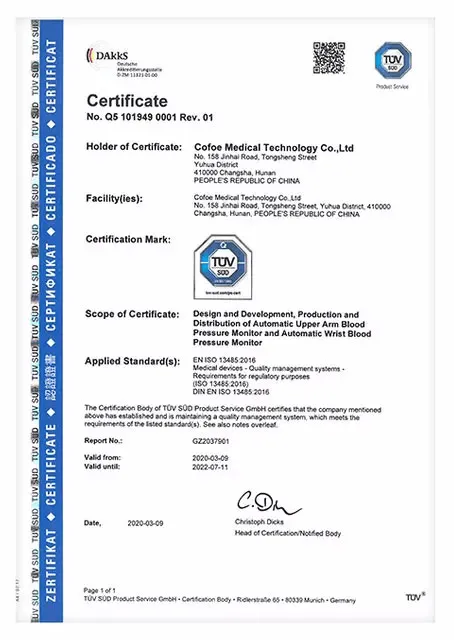
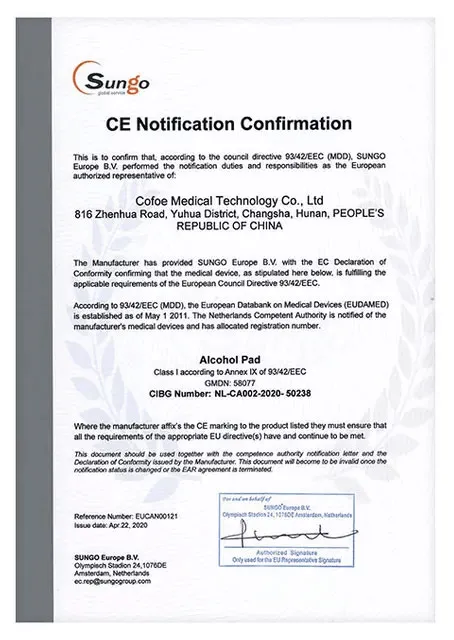
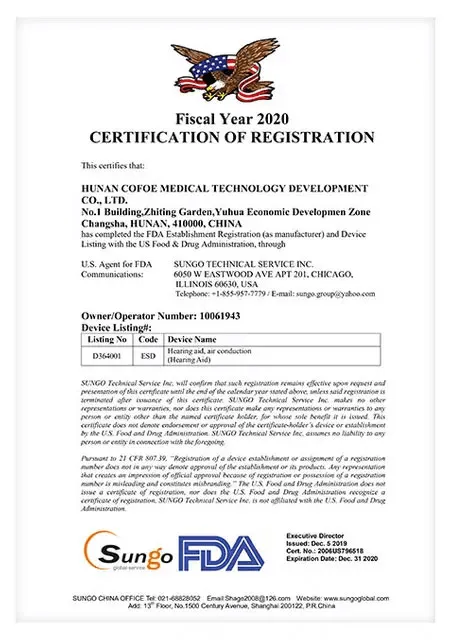
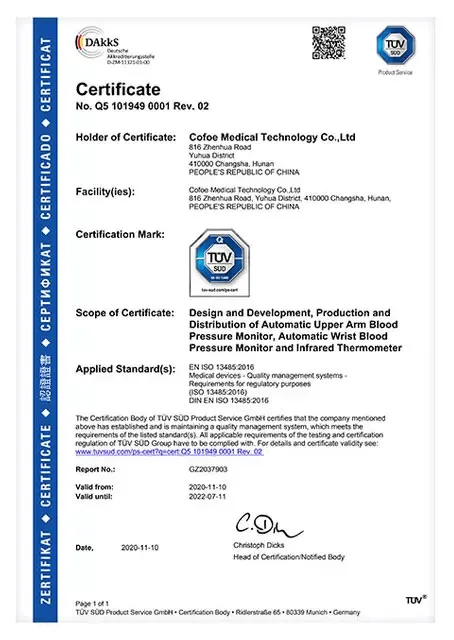
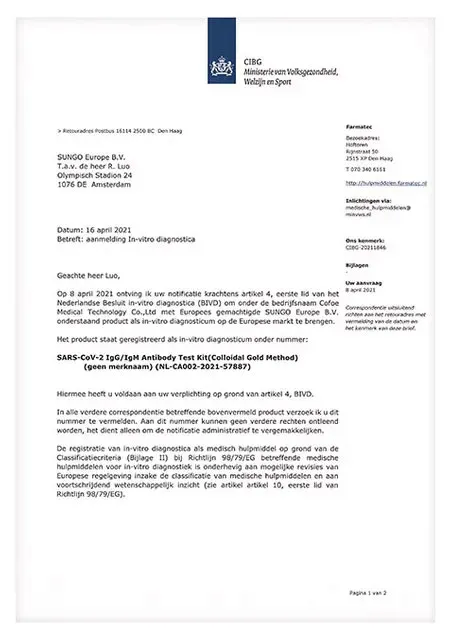
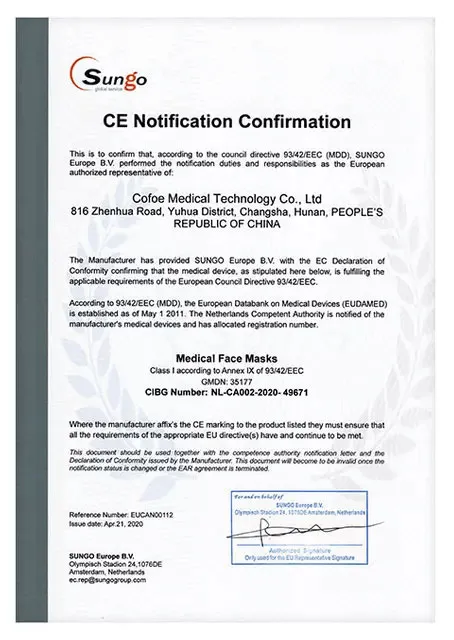
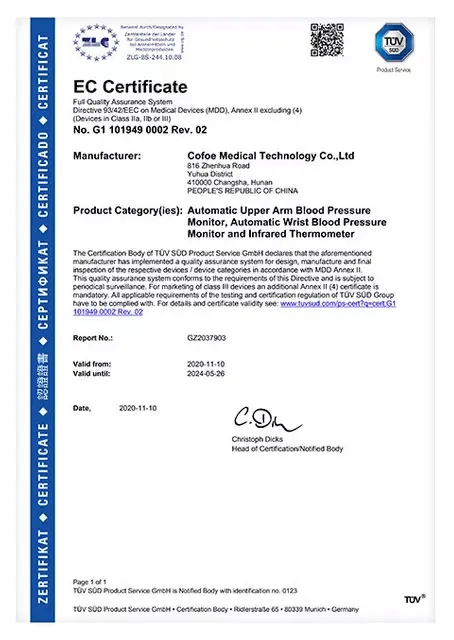
Certificate
FAQ
We're well-known as one of the leading microphone with speaker manufacturers and suppliers in China. Please feel free to wholesale bulk high quality microphone with speaker made in China here from our factory. Contact us for customized service.
Microphone, Dji Wireless Microphone, Bluetooth Speaker with Mic