



- Tel: +86-755-28169429
- Mob2: +8618124114055
- Email: 779480230@qq.com
 Wechat: 18124114055
whats:+8618926474066
Facebook:Sensaura4066@gmail.com
 QQ: 779480230
- Add: 3rd Floor, Building C, Dongxinjia Industrial Park, No.15 Zhengxiang Road, Guangming New District, Shenzhen.
Microphone
We are a professional manufacturer of high-end microphones and earphones, all products are independent research and development and production. Has its own mold design center, product development team, sales network all over the world.
Our company's product series are: Wireless microphone, wired microphone, conference microphone (Gooseneck microphone), collar microphone, musical instrument microphone (drum set microphone), computer microphone, teaching microphone, broadcast recording microphone, interview microphone, live microphone.
Why Choose Us
Our Factory
Our company has grown from a small processing plant with more than 20 employees to a large microphone, headphone and audio product manufacturing company with more than 300 employees.
Advanced Equipment
The company has strong technical strength and advanced equipment. It has American HP signal generators, spectrum analyzers, modulators, and electroacoustic testers.
Quality Control
We manufacture products from raw materials entering the factory to finished products leaving the factory. All advanced one-stop production processes are used, and they are strictly tested by skilled technicians to ensure that the products have beautiful appearance, superior performance, and stable quality.
Leading Technology
The more than 1,000 types of microphones and headphone products we independently developed have been recognized by customers all over the world. Our success is due to our leading technology, innovation in microphone and headphone audio technology, and excellent sound unit technology that has won the trust of customers!


Advantages of microphone
Sound Capture:
Microphones are designed to convert acoustic sound waves into electrical signals, allowing us to capture and record audio. They enable us to capture vocals, musical instruments, ambient sounds, and more with high fidelity.
Communication:
Microphones are essential for various forms of communication. They are used in telephones, public address systems, broadcasting, podcasting, conference calls, and video chats, ensuring clear and intelligible voice transmission.
Increased Volume:
They amplify sound, enabling performers to be heard over background noise and in large venues.
Directionality:
By allowing users to concentrate on specific sound sources, directional microphones help cut down on background noise and enhance clarity.
Consistency:
Using a microphone helps maintain a consistent sound quality across different recordings or performances, reducing the need for additional post-production work.
Flexibility:
Users can choose the best microphone for their unique needs from a variety of styles and types available for microphones.
Accessibility:
Microphones are easily accessible and usable by everyone, making them a valuable tool for both personal and professional use.
Safety:
Using a microphone can lessen the need for people to speak loudly or lean in close to a microphone in some applications, like broadcasting and conferencing, which lowers the risk of spreading germs or infections.
Types of Microphones

Dynamic Microphones
These are rugged, moisture-resistant microphones with simple and robust designs. They use a movable induction coil, positioned in the magnetic field of a permanent magnet, to convert sound into an electrical signal.

Condenser Microphones
Also known as capacitor microphones, they offer superior sound quality but are more sensitive to environmental conditions. They function by having a charged diaphragm placed close to a solid metal plate, and sound waves alter this distance, changing the capacitance and thus creating an electrical signal.

Ribbon Microphones
In ribbon microphones, a thin metal ribbon is suspended in a magnetic field, and sound waves move this ribbon, generating an electrical signal. They are prized for their ability to capture high-frequency detail but are more delicate than other types.

Lavalier Microphones
Commonly referred to as lapel microphones, they are small and clip onto clothing for hands-free operation. Their design can vary, with both dynamic and condenser versions available.
Application of microphone
Concert Halls And Live Performances
From small local venues to massive arenas, microphones are essential for amplifying the voices and instruments of performers to ensure that the audience can hear every note and word.
Recording Studios
Whether it's a professional studio or a home recording setup, microphones are the primary tool for capturing high-quality audio recordings.
Podcast Studios
In podcast studios, microphones are the essential tool for capturing clear and professional-sounding audio.
Broadcasting And Radio
Broadcasting and radio are industries heavily reliant on microphones. Whether it's news anchors delivering the latest updates or radio hosts engaging their listeners, microphones are the bridge between the presenter and the audience.
Conferences And Public Speaking Events
Conferences and public speaking events bring people together to share ideas and knowledge. In these scenarios, microphones ensure that every speaker is heard clearly by the entire audience, regardless of the venue size.
Video Production And Filmmaking
Microphones play a crucial role in video production and filmmaking, capturing high-quality audio to complement the visuals.
Educational Settings
In educational settings, microphones are used to enhance the learning experience for both students and teachers. Whether it's a lecture hall, a classroom, or an online course, microphones ensure that everyone can hear and participate in the educational process.
Gaming And Streaming
Whether it's providing commentary during gameplay or engaging with viewers in real-time, a high-quality gaming microphone is crucial for clear and immersive communication.
Voice-over Work
Voice-over work is a specialized field that requires precise and professional audio recordings. From commercials and animations to audiobooks and video games, microphones are the primary tool for capturing the voice talent's performance.
How to maintain the microphone
Handle with care
Avoid dropping or mishandling your microphone, as this can cause internal components to become damaged or loose. When transporting your microphone, use a padded case or protective covering to prevent any accidental bumps or knocks.
Keep it clean
Use a soft, dry cloth to gently wipe down the exterior of the microphone, removing any dust or dirt that May have accumulated.Be sure to avoid using harsh chemicals or abrasive materials, as these can damage the microphone's finish.
Protect from moisture
Moisture can be detrimental to the sensitive components inside your microphone.If your microphone does come into contact with liquid, immediately disconnect it from any power source and allow it to dry thoroughly before using it again.
Store properly
When your microphone is not in use, store it properly to protect it from dust, debris, and other potential hazards. Additionally, avoid leaving your microphone exposed to direct sunlight or extreme temperatures, as this can cause damage to the internal components over time.
The Do’s and Don’ts of Using Microphones
DO NOT tap, blow into or hit the microphone to check if it’s working. Instead, DO test it beforehand and coordinate with the sound guy to adjust the pa system accordingly.
DO NOT cover the mic as you hold it. Instead, DO hold it half way its handled, with care.
DO NOT touch the mic with your lips. Instead, keep the mic pointed to your mouth to keep your voice amplified.
DO NOT hold the mic on your chest. Instead, DO keep a constant mouth-to-mic distance of about 6-12 inches.
DO NOT make sound adjustments when the mic is on. Instead, DO mute or turn off the mic or speakers when doing some adjustments.
DO NOT point the mic to the audience or to your presentation.Swinging or waving the mic to point at your slide or to the audience may cause feedback noise. Instead, DO keep it stationary.
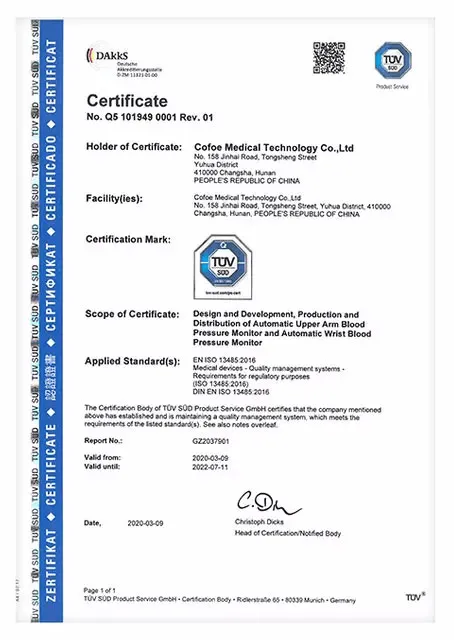
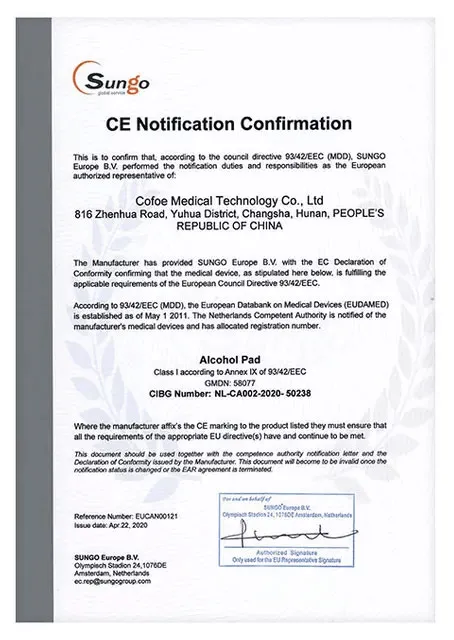
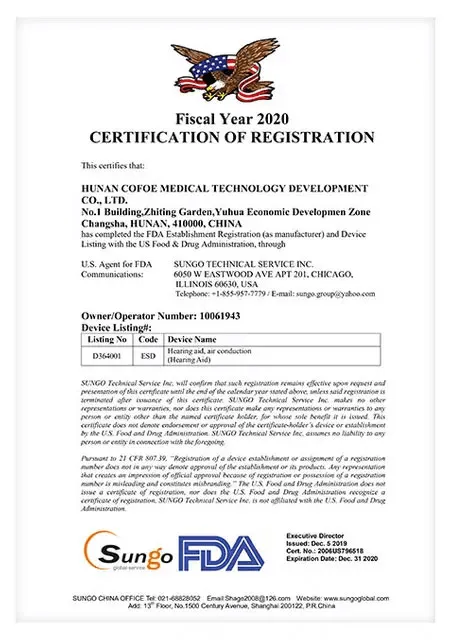
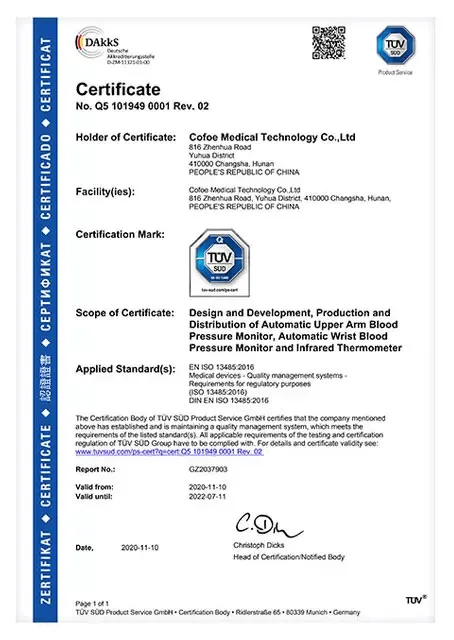
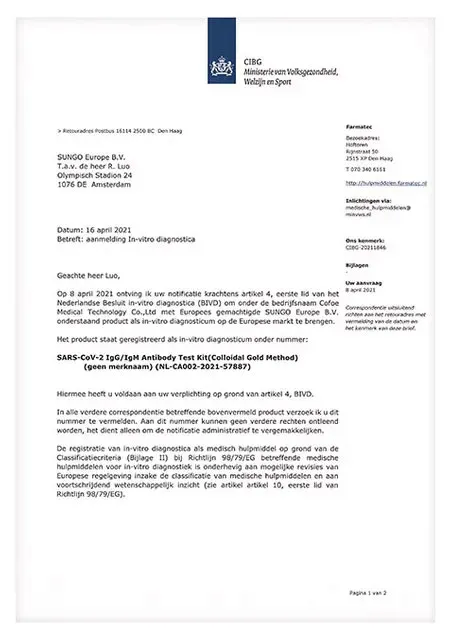
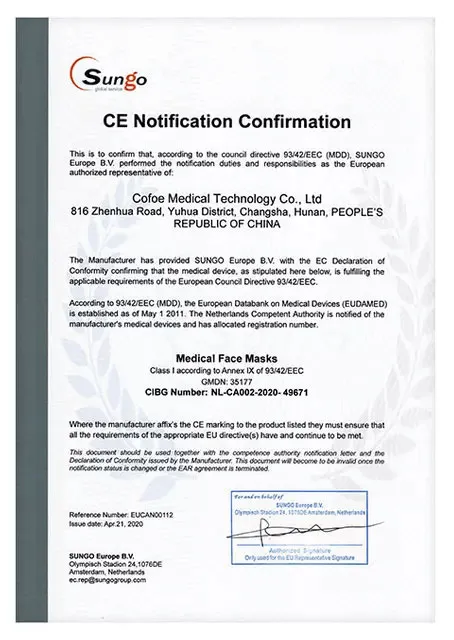
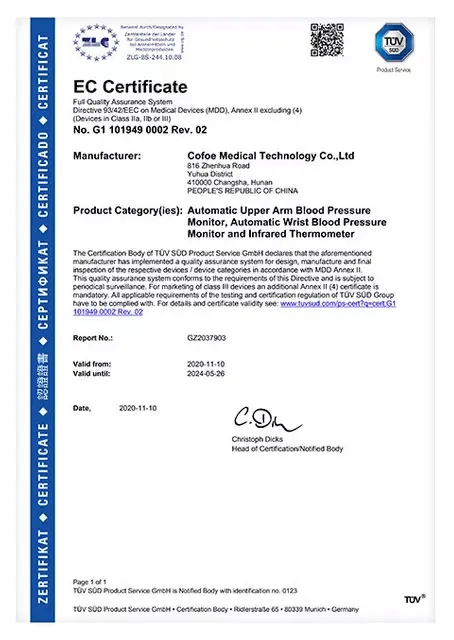
Certificate
FAQ
We're well-known as one of the leading microphone manufacturers and suppliers in China. Please feel free to wholesale bulk high quality microphone made in China here from our factory. Contact us for customized service.
Wired Earphone, shop headphones, TWS Earphone