


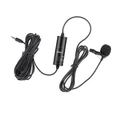



In the dynamic world of audio technology, the question of whether one can use a Bluetooth microphone with a wireless speaker system is both relevant and timely. As a supplier of Bluetooth microphones, I've encountered this query numerous times from customers ranging from event organizers to casual users looking to enhance their home audio setups. In this blog post, I'll delve into the technical aspects, compatibility factors, and practical considerations of using a Bluetooth microphone with a wireless speaker system.
Understanding Bluetooth Technology
Before we explore the compatibility between Bluetooth microphones and wireless speaker systems, it's essential to understand the basics of Bluetooth technology. Bluetooth is a wireless communication standard that uses short - wave radio frequencies to transmit data over short distances. It operates in the 2.4 GHz ISM (Industrial, Scientific, and Medical) band, which allows for multiple devices to connect simultaneously within a limited range, typically up to 10 meters.
There are different versions of Bluetooth, each with its own set of features and improvements. For example, Bluetooth 5.0 offers faster data transfer speeds, longer range, and better energy efficiency compared to its predecessors. When considering using a Bluetooth microphone with a wireless speaker system, the version of Bluetooth on both devices can significantly impact the connection quality and performance.
Compatibility Factors
Bluetooth Profiles
Bluetooth profiles define the specific functionality of a Bluetooth connection. For a Bluetooth microphone to work with a wireless speaker system, they need to support compatible profiles. The most relevant profiles in this context are the Hands - Free Profile (HFP) and the Advanced Audio Distribution Profile (A2DP).
The HFP is primarily designed for voice communication, such as in hands - free car kits or mobile phone headsets. It allows for two - way audio transmission, which is suitable for applications where you need to both speak and listen. On the other hand, the A2DP is used for high - quality audio streaming, mainly for music playback. If your wireless speaker system supports A2DP and your Bluetooth microphone supports HFP, there might be some limitations in terms of the audio quality and functionality.
Device Specifications
The technical specifications of both the Bluetooth microphone and the wireless speaker system play a crucial role in determining compatibility. Factors such as the microphone's frequency response, sensitivity, and the speaker system's power output, impedance, and audio processing capabilities need to be considered.
For example, a high - end condenser microphone (check out our Condenser Microphone) may have a very wide frequency response, which can capture a broader range of sounds. However, if the wireless speaker system has a limited frequency response, it may not be able to reproduce all the details captured by the microphone. Similarly, the power output of the speaker system should be sufficient to drive the audio signal from the microphone without distortion.
Pairing and Connectivity
Pairing a Bluetooth microphone with a wireless speaker system is a critical step. Most modern Bluetooth devices have a simple pairing process. You usually need to put the microphone and the speaker system in pairing mode, which typically involves pressing a specific button or combination of buttons on both devices.
Once in pairing mode, the devices will search for each other and establish a connection. However, there can be issues with interference from other Bluetooth devices or other wireless signals operating in the same 2.4 GHz band. To minimize interference, it's advisable to keep the microphone and the speaker system close to each other and away from other wireless devices.
Practical Considerations
Audio Quality
When using a Bluetooth microphone with a wireless speaker system, audio quality is a top concern. Bluetooth has some limitations in terms of audio fidelity compared to wired connections. Compression algorithms are used to reduce the data size for wireless transmission, which can result in a loss of some audio details.
However, with the advancement of Bluetooth technology, especially in higher - end devices, the audio quality has improved significantly. For applications where high - quality audio is not the primary requirement, such as for public announcements or simple voice amplification, Bluetooth can provide a satisfactory solution. But for professional audio recording or high - end music playback, a wired connection may still be preferred.
Range and Mobility
One of the main advantages of using a Bluetooth microphone with a wireless speaker system is the freedom of movement. You can move around within the Bluetooth range without being restricted by cables. However, the effective range can vary depending on the environment and the Bluetooth version of the devices.
In an open space with no obstacles, you can typically expect a range of up to 10 meters. But in a crowded environment with many walls and other objects, the range may be significantly reduced. It's important to test the range in your specific usage scenario to ensure that you have enough mobility.
Battery Life
Both the Bluetooth microphone and the wireless speaker system rely on batteries for power. Battery life is an important consideration, especially for long - term use. The battery life of a device can be affected by factors such as the device's power consumption, the type of battery used, and how often the device is used.
Before purchasing a Bluetooth microphone and a wireless speaker system, check the manufacturer's specifications for battery life. It's also a good idea to have spare batteries on hand to avoid interruptions during use.
Types of Microphones and Their Suitability
Moving Coil Microphones
Moving coil microphones are a popular choice for many applications. They are relatively rugged and can handle high sound pressure levels. Our Moving Coil Microphone is designed to provide reliable performance in various environments.
When using a moving coil microphone with a wireless speaker system, they can work well together, especially for applications where durability and a wide dynamic range are required. However, they may have a slightly lower sensitivity compared to condenser microphones, which means they may require a stronger sound source to produce a clear signal.
Wireless Microphones
Wireless microphones, in general, offer greater flexibility compared to wired microphones. Our Wireless Microphone range includes different types and models to suit various needs.
When it comes to using a wireless microphone with a wireless speaker system, the key is to ensure that they are both using the same wireless technology (in this case, Bluetooth) and are compatible in terms of profiles and specifications. Wireless microphones can be a great option for events, presentations, and other applications where mobility is essential.
Condenser Microphones
Condenser microphones are known for their high sensitivity and excellent audio quality. They are often used in professional audio recording and high - end applications. Our condenser microphones are designed to capture the most subtle details of sound.
When using a condenser microphone with a wireless speaker system, the audio quality can be very high, provided that the speaker system can handle the detailed audio signal. However, condenser microphones are more sensitive to handling noise and require a power source, which can be a consideration in some situations.
Conclusion
In conclusion, it is possible to use a Bluetooth microphone with a wireless speaker system, but there are several factors to consider. Compatibility in terms of Bluetooth profiles, device specifications, and pairing is essential. Audio quality, range, mobility, and battery life are also important practical considerations.
Whether you are an event organizer, a teacher, or a home user looking to enhance your audio setup, understanding these factors will help you make an informed decision. As a Bluetooth microphone supplier, we are committed to providing high - quality products that are compatible with a wide range of wireless speaker systems.


If you are interested in purchasing Bluetooth microphones for your specific needs, we invite you to contact us for a detailed discussion. Our team of experts can help you choose the right products and provide technical support to ensure a seamless integration with your wireless speaker system.
References
- Bluetooth Special Interest Group. (n.d.). Bluetooth Technology Overview. Retrieved from the official Bluetooth website.
- Manufacturer's specifications of Bluetooth microphones and wireless speaker systems.