





Can a condenser microphone be used outdoors? That's a question I get asked a lot as a condenser microphone supplier. In this blog post, I'm gonna break down the ins and outs of using condenser mics outside, so you can make an informed decision for your next outdoor recording or live event.
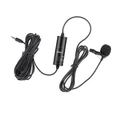
First off, let's talk about what makes a condenser microphone special. Condenser mics are known for their high sensitivity and ability to capture detailed sound. They have a thin diaphragm that vibrates in response to sound waves, converting them into an electrical signal. This design allows them to pick up even the subtlest nuances in audio, making them a favorite among musicians, podcasters, and audio engineers. You can check out our range of Condenser Microphone on our website.
So, can you use a condenser microphone outdoors? The short answer is yes, but there are some important factors to consider.
The Good Stuff
One of the biggest advantages of using a condenser microphone outdoors is its sensitivity. If you're recording nature sounds, like birds chirping or a gentle stream flowing, a condenser mic can capture those delicate sounds with amazing clarity. It can also pick up distant sounds that other mics might miss, giving you a more immersive audio experience.
Another benefit is the frequency response. Condenser mics typically have a wide frequency range, which means they can reproduce both low and high frequencies accurately. This is great for outdoor music performances, where you want to capture the full spectrum of instruments and vocals. Whether it's a folk concert in the park or a live band gig at an outdoor festival, a condenser mic can deliver rich, detailed sound.
The Challenges
However, using a condenser microphone outdoors isn't without its challenges. One of the main issues is wind noise. The wind can cause the diaphragm in the mic to vibrate erratically, creating a loud, unwanted noise in your recordings. To combat this, you'll need to use a windscreen or a pop filter. A good quality windscreen can significantly reduce wind noise and help you get clean audio. You can find some great options on our Condenser Microphone Factory page.
Another challenge is moisture. Condenser mics are sensitive to humidity and water, which can damage the internal components. If it's raining or there's a lot of moisture in the air, you'll need to protect your mic. You can use a waterproof cover or keep the mic in a dry, sheltered area. It's also a good idea to let the mic dry out completely before using it again.
Temperature can also affect the performance of a condenser microphone. Extreme heat or cold can cause the diaphragm to expand or contract, which can change the sound quality. Make sure to check the manufacturer's specifications for the recommended temperature range and try to keep the mic within that range.
Tips for Using a Condenser Microphone Outdoors
- Choose the Right Location: Look for a spot that's sheltered from the wind and has minimal background noise. A natural barrier, like a building or a tree, can help block the wind and reduce noise.
- Use a Good Windscreen: Invest in a high-quality windscreen that's designed for outdoor use. A furry windscreen, also known as a "dead cat," is a popular choice for reducing wind noise.
- Protect the Mic from Moisture: As mentioned earlier, moisture can damage the mic. Use a waterproof cover or keep the mic in a dry place. If it does get wet, dry it thoroughly before using it again.
- Test the Mic: Before you start recording, test the mic to make sure it's working properly. Check for any wind noise or other issues and make adjustments as needed.
- Monitor the Audio: Use headphones or a monitor to listen to the audio as you're recording. This will allow you to catch any problems early and make adjustments on the fly.
Applications of Condenser Microphones Outdoors
There are many different applications for using a condenser microphone outdoors. Here are a few examples:
- Nature Recording: If you're a nature enthusiast or a wildlife filmmaker, a condenser mic can help you capture the sounds of the outdoors. From the rustling of leaves to the calls of birds and animals, a condenser mic can bring the natural world to life in your recordings.
- Outdoor Music Performances: Whether it's a solo acoustic performance or a full band gig, a condenser mic can provide high-quality sound for outdoor music events. It can capture the nuances of the instruments and vocals, making the performance more engaging for the audience.
- Field Interviews: If you're conducting interviews outdoors, a condenser mic can ensure that the voices are clear and easy to understand. It can also pick up the ambient sound of the location, adding context to the interview.
- Children's Performances: For kids' shows or school events held outdoors, a Children's Microphone can be a great option. Condenser mics are lightweight and easy to use, making them suitable for young performers.
Conclusion
So, to answer the question, yes, a condenser microphone can be used outdoors. But it's important to be aware of the challenges and take the necessary precautions to ensure good audio quality. With the right equipment and some careful planning, you can use a condenser mic to capture amazing sound in outdoor settings.
If you're interested in purchasing a condenser microphone for your outdoor needs, feel free to reach out to us. We have a wide range of high-quality condenser mics to choose from, and our team of experts can help you find the perfect one for your specific requirements. Whether you're a professional audio engineer or a hobbyist, we're here to support you. Let's start a conversation and see how we can help you achieve the best audio results for your outdoor projects.

References
- Microphone Basics: Understanding the Different Types, Audio-Technica
- Condenser Microphones: How They Work and When to Use Them, Shure
- Outdoor Recording Tips: Getting Great Sound in the Field, Sound on Sound