


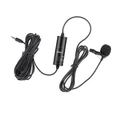



What is the Signal Stability of a Cordless Mic?
In the dynamic realm of audio technology, cordless microphones have emerged as a game - changer, offering unparalleled freedom of movement and flexibility. As a dedicated cordless mic supplier, I've witnessed firsthand the transformative impact these devices have on various sectors, from live performances and public speaking to broadcasting and education. At the heart of a high - quality cordless mic lies its signal stability, a critical factor that can make or break an audio experience.
Understanding Signal Stability
Signal stability refers to the consistent and reliable transmission of audio signals from the microphone to the receiver without significant interference, dropouts, or distortion. A stable signal ensures that the sound captured by the microphone reaches the playback system in its purest form, maintaining the integrity of the original audio.
In a cordless mic system, the signal is transmitted wirelessly, typically using radio frequencies (RF). The stability of this transmission depends on several factors, including the quality of the components, the frequency band used, and the environment in which the mic is operated.
Factors Affecting Signal Stability
1. Frequency Band
Cordless mics operate on different frequency bands, and the choice of band can significantly impact signal stability. The most common frequency bands for cordless mics are the UHF (Ultra - High Frequency) and VHF (Very - High Frequency) bands.
UHF bands, typically ranging from 400 MHz to 960 MHz, are generally preferred for their better signal stability and less susceptibility to interference. They offer a larger number of available channels, which allows for multiple mics to operate simultaneously without causing interference. In contrast, VHF bands, which range from 30 MHz to 300 MHz, are more prone to interference from other electronic devices and environmental factors.
2. Interference
Interference is one of the biggest threats to signal stability in cordless mics. It can come from a variety of sources, including other wireless devices such as Wi - Fi routers, Bluetooth devices, and even microwave ovens. These devices emit electromagnetic waves that can disrupt the RF signal of the cordless mic, causing dropouts, static, or distortion.
To mitigate interference, modern cordless mics are equipped with advanced frequency - hopping technology. This technology allows the mic to automatically switch between different frequencies within its allocated band, avoiding areas of interference. For example, if a particular frequency is being jammed by a nearby Wi - Fi router, the mic will quickly hop to another frequency where the signal is clear.
3. Distance and Obstacles
The distance between the microphone and the receiver also plays a crucial role in signal stability. As the distance increases, the strength of the RF signal decreases, making it more susceptible to interference and dropouts. Most cordless mics have a specified operating range, typically ranging from a few meters to several tens of meters.
Obstacles such as walls, furniture, and metal objects can also weaken the RF signal. These objects can absorb or reflect the signal, causing it to lose strength and become unstable. To overcome this, it's important to position the receiver in a clear line of sight with the microphone whenever possible.
4. Quality of Components
The quality of the components used in the cordless mic system, including the microphone, the transmitter, and the receiver, has a direct impact on signal stability. High - quality components are designed to minimize noise and interference, and they are more reliable in transmitting and receiving signals.
For example, a well - designed transmitter will have a stable oscillator that generates a clean and consistent RF signal. Similarly, a high - quality receiver will have a sensitive antenna and advanced signal - processing circuitry to accurately decode the received signal.
Importance of Signal Stability in Different Applications
1. Live Performances
In live performances, signal stability is of utmost importance. A single dropout or distortion in the audio signal can ruin the entire performance. Musicians, singers, and speakers rely on cordless mics to move freely on stage without being restricted by cables. A stable signal ensures that their voices and instruments are heard clearly by the audience, enhancing the overall experience.
For instance, in a large concert hall, there may be multiple cordless mics in use simultaneously, along with a plethora of other electronic devices. A high - quality cordless mic with excellent signal stability can operate seamlessly in this environment, allowing the performers to focus on their art without worrying about audio issues.
2. Broadcasting
In the broadcasting industry, signal stability is non - negotiable. Television and radio stations require a constant and clear audio signal to deliver high - quality content to their viewers and listeners. Cordless mics are often used in news reporting, talk shows, and sports broadcasting, where reporters and presenters need to move around freely.
A stable signal ensures that the audio is transmitted without any interruptions, maintaining the credibility and professionalism of the broadcast. Any audio glitches can lead to a loss of audience trust and can have a negative impact on the station's reputation.
3. Education
In educational settings, cordless mics are used to enhance the learning experience. Teachers can use them to move around the classroom, ensuring that every student can hear them clearly. Signal stability is crucial in this context, as it allows for a smooth and uninterrupted flow of information.


For example, in a large lecture hall, a stable cordless mic signal ensures that students in the back rows can hear the professor as clearly as those in the front. This improves student engagement and comprehension, leading to better educational outcomes.
Our Cordless Mic Solutions
As a cordless mic supplier, we understand the importance of signal stability in different applications. That's why we offer a wide range of cordless mics that are designed to provide exceptional signal stability.
Our mics operate on the UHF frequency band, which offers better resistance to interference and a larger number of available channels. They are also equipped with advanced frequency - hopping technology to automatically avoid areas of interference.
In addition, we use high - quality components in our cordless mic systems, ensuring reliable signal transmission and reception. Our mics are rigorously tested to meet the highest standards of performance and quality.
If you're in the market for a Cordless Mic, you may also be interested in our Bluetooth Speaker with Mic and Dji Wireless Microphone options. These products offer similar benefits in terms of signal stability and audio quality.
Contact Us for Procurement
Whether you're a professional performer, a broadcaster, an educator, or someone in need of a high - quality cordless mic for any other application, we're here to help. Our team of experts can provide you with detailed information about our products, including their signal stability features and performance specifications.
We're committed to providing our customers with the best cordless mic solutions at competitive prices. If you're interested in purchasing our products or have any questions, please feel free to reach out to us. We look forward to discussing your specific requirements and helping you find the perfect cordless mic for your needs.
References
- "Wireless Microphone Systems: A Practical Guide" by Mark Fisher
- "Audio Engineering Handbook" edited by Richard C. Dorf and Thomas S. Collier