


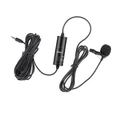




Hey there! As a supplier of wireless microphones, I've often been asked about the latency of these nifty devices. So, let's dig deep into what latency is, why it matters, and how it affects wireless microphones.
What is Latency?
Latency, in simple terms, is the delay between when a sound is made and when it's heard through the speaker. It's like the time it takes for a message to travel from one end to the other. In the context of wireless microphones, latency refers to the time lag between the moment you speak or make a sound into the mic and when that sound comes out of the connected speaker or audio system.
Think of it this way: You're on stage, performing your heart out, and you speak into the wireless microphone. But there's a slight delay before the audience hears your voice. That delay is latency. It might seem like a small thing, but it can have a big impact on the overall audio experience.


Why Does Latency Matter?
Latency matters a whole lot, especially in situations where real - time audio is crucial. For example, in live performances, a high latency can make it difficult for performers to synchronize their voices with their movements or with other musicians. If the delay is noticeable, it can disrupt the rhythm and flow of the performance, making it less engaging for the audience.
In video conferencing or online meetings, latency can cause communication issues. When there's a delay in hearing each other's voices, conversations become choppy, and it's easy to talk over each other. This can lead to misunderstandings and a less productive meeting.
Even in recording studios, latency can be a problem. Musicians need to hear an accurate, real - time representation of their performance while recording. A high latency can make it hard to play in time and can result in a less professional - sounding recording.
What Affects the Latency of Wireless Microphones?
1. Transmission Technology
Different wireless transmission technologies have different levels of latency. For instance, Bluetooth Microphone uses the Bluetooth protocol. Bluetooth is convenient because it's widely supported by many devices, but it typically has a relatively higher latency compared to some other wireless technologies. This is because Bluetooth has to go through multiple steps of encoding, decoding, and error - correction to ensure reliable data transfer.
On the other hand, some professional wireless microphone systems use proprietary radio frequency (RF) technologies. These technologies are designed specifically for audio transmission and can offer lower latency. They often have dedicated frequency bands and optimized signal processing algorithms to minimize the delay between the microphone and the receiver.
2. Distance between the Microphone and the Receiver
The farther the wireless microphone is from the receiver, the higher the latency can be. This is because the radio signal has to travel a longer distance, and there's a greater chance of interference along the way. The signal may need to be re - transmitted or adjusted to maintain a stable connection, which adds to the delay.
For example, if you're using a wireless microphone on a large stage and the receiver is at the back of the auditorium, the latency might be slightly higher compared to using it in a small, intimate venue where the microphone and receiver are closer together.
3. Signal Interference
Interference from other electronic devices or radio signals can also increase latency. In a crowded environment with lots of Wi - Fi signals, Bluetooth devices, and other wireless equipment, the wireless microphone signal can get disrupted. The microphone and receiver may need to spend extra time trying to re - establish a clear connection, which results in a delay.
For instance, if you're using a wireless microphone in a convention center full of people with their smartphones, tablets, and laptops all emitting wireless signals, the latency of your microphone could be affected.
4. Coding and Decoding Processes
The way the audio signal is encoded in the microphone and decoded in the receiver can impact latency. Some advanced encoding algorithms are designed to compress the audio data to reduce the amount of data that needs to be transmitted. However, these algorithms can sometimes add a bit of extra processing time, leading to higher latency.
On the flip side, simpler encoding methods may have lower latency but may not offer the same level of audio quality or reliability. Manufacturers have to strike a balance between these factors to get the best performance.
Measuring Latency
Measuring the latency of a wireless microphone isn't always straightforward. There are a few different ways to do it, but one common method is to use specialized audio testing equipment. This equipment can measure the time difference between the input audio (the sound going into the microphone) and the output audio (the sound coming out of the speaker).
In a more informal setting, you can also do a simple test by speaking into the microphone and listening for any noticeable delay through the speaker. If you can hear a distinct lag between your voice and the sound coming out, then there's some latency present.
Our Wireless Microphone Solutions
As a wireless microphone supplier, we understand the importance of low latency. That's why we offer a range of products designed to minimize this issue.
Our OEM Microphone options are customizable, allowing us to tailor the microphone's performance to your specific needs. Whether you need a microphone with ultra - low latency for high - end live performances or a more budget - friendly option for small - scale events, we can work with you to create the perfect solution.
We also have One Drag Two Wireless Microphones, which are great for situations where you need multiple microphones. These systems are engineered to maintain low latency across all connected microphones, ensuring seamless audio synchronization.
Conclusion
Latency is a critical factor when it comes to wireless microphones. It can make or break the audio experience in various settings, from live performances to online meetings. As a supplier, we're committed to providing high - quality wireless microphones with low latency.
If you're in the market for wireless microphones and want to learn more about our products, or if you have specific requirements for your project, don't hesitate to reach out. We're here to help you find the perfect microphone solution that meets your needs and ensures a smooth, real - time audio experience.
References
- "Audio Engineering Handbook" - A comprehensive guide on audio technology and related concepts.
- Industry whitepapers on wireless audio transmission technologies.