


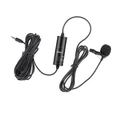




What is the latency of a microphone?
As a supplier in the microphone industry, I've encountered numerous inquiries regarding microphone latency. In this blog, I'll delve into the concept of microphone latency, its significance, factors influencing it, and how it impacts various applications.
Latency, in the context of a microphone, refers to the time delay between the moment a sound is captured by the microphone and when it is outputted in an audible or usable form. It is typically measured in milliseconds (ms). A lower latency means that the sound is processed and delivered more quickly, resulting in a more immediate and accurate representation of the original sound.
Why is microphone latency important? Well, it plays a crucial role in many applications, especially those that require real - time interaction. For example, in live performances such as concerts or theater productions, low latency is essential. Musicians need to hear their own playing and the other instruments in the band in real - time. If there is a significant latency, it can disrupt the rhythm and make it difficult for the performers to stay in sync. Similarly, in live broadcasting, whether it's a news program or a sports event, presenters and commentators rely on immediate feedback to deliver a seamless performance.
In the realm of gaming, microphone latency can also have a substantial impact. Gamers often communicate with each other during gameplay. High latency can cause delays in voice communication, leading to miscommunications and a less immersive gaming experience. For instance, if a gamer warns their teammate about an approaching enemy but the message is delayed, it could cost the team the game.
Now, let's explore the factors that can influence microphone latency. One of the primary factors is the type of microphone technology. Different microphone designs have varying levels of inherent latency. For example, analog microphones generally have lower latency compared to some digital microphones. Analog microphones convert sound waves directly into an electrical signal without the need for complex digital processing. On the other hand, digital microphones need to convert the analog sound signal into a digital format, which involves additional steps and can introduce some latency.
The audio interface used in conjunction with the microphone also plays a significant role. The audio interface is responsible for converting the microphone's signal into a format that can be processed by a computer or other device. A high - quality audio interface with advanced processing capabilities can minimize latency. It should have a fast analog - to - digital converter (ADC) and a low - latency driver.
The processing power of the device that is receiving and processing the microphone signal is another important factor. If the computer or audio mixer has a slow processor or limited memory, it may take longer to process the audio data, resulting in increased latency. Additionally, the software being used can also contribute to latency. Some audio editing or recording software may have higher latency settings due to the complexity of their algorithms.
As a microphone supplier, we understand the importance of providing microphones with low latency. Our research and development team is constantly working on improving the technology to reduce latency while maintaining high - quality sound capture. We offer a wide range of microphones suitable for different applications, from professional audio recording studios to casual gaming setups.
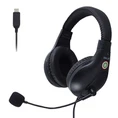
One of our notable products is the World's First NearLink Wireless Headset. This headset is equipped with a state - of - the - art microphone that offers extremely low latency. The NearLink technology ensures a stable and fast wireless connection, minimizing any potential delays in sound transmission. Whether you're a musician performing on stage or a gamer in an intense battle, this headset can provide you with a seamless audio experience.
When it comes to choosing a microphone, it's important to consider your specific needs. If you're a professional in the audio industry, you may require a microphone with the lowest possible latency. For more casual users, a microphone with moderate latency may be sufficient. We offer detailed product specifications and technical support to help you make an informed decision.


In conclusion, microphone latency is a critical aspect of microphone performance. It can significantly impact the quality of audio in various applications, from live performances to gaming. As a microphone supplier, we are committed to providing products that offer low latency and high - quality sound. If you're in the market for a new microphone, whether for personal or professional use, we invite you to contact us for a detailed discussion about your requirements. Our team of experts is ready to assist you in finding the perfect microphone solution for your needs. We can provide you with samples to test and compare, and we're always open to negotiation on pricing and terms. So, don't hesitate to reach out and start a conversation about your microphone procurement.
References
- "Audio Engineering Handbook" by Glen Ballou
- "The Science of Sound" by Thomas D. Rossing