







Hey there! As a supplier of wireless earphones, I often get asked a bunch of questions from customers. One question that pops up quite a bit is, "Are wireless earphones affected by electromagnetic fields?" It's a super interesting topic, and today, I'm gonna break it down for you.
First off, let's talk about what electromagnetic fields are. You can think of electromagnetic fields as a kind of energy field that's produced by electrically charged objects. These fields are all around us, and they come in different forms. For example, there are the low - frequency electromagnetic fields from power lines and household appliances, and then there are the high - frequency ones from things like cell phones, Wi - Fi routers, and yes, our wireless earphones.
Now, wireless earphones mainly use Bluetooth technology to connect to our devices. Bluetooth operates on a specific frequency band, which is in the 2.4 - 2.4835 GHz range. This frequency is part of the microwave spectrum. And as you might know, our modern world is filled with all sorts of devices that also use this frequency band. Wi - Fi routers, for instance, operate in the same general area.
So, the big question is, can these electromagnetic fields mess with the performance of our wireless earphones? Well, the short answer is, it's possible. When there are a lot of electromagnetic signals in the same frequency range, it can lead to interference.
Imagine a crowded party where everyone is trying to talk at the same time. It gets really hard to hear what someone is saying clearly. That's kind of what happens with electromagnetic interference. When there are too many signals in the 2.4 GHz range, the earphones might have trouble picking up and transmitting the Bluetooth signal properly. You might experience things like audio dropouts, where the sound suddenly cuts out for a second, or you could hear some static or distortion in the audio.
But don't worry too much. Most of the time, the interference isn't that bad. The technology in modern wireless earphones is designed to handle a certain amount of interference. Bluetooth uses a technique called frequency - hopping spread spectrum (FHSS). This means that the earphones and the connected device keep switching between different frequencies within the 2.4 GHz band. So, even if there's interference on one frequency, they can quickly jump to another and keep the connection going.
However, there are some situations where the interference can be more noticeable. For example, if you're in a very crowded area with lots of Wi - Fi routers, Bluetooth devices, and other wireless gadgets all operating at the same time. Places like coffee shops, airports, or large office buildings can be hotspots for interference.

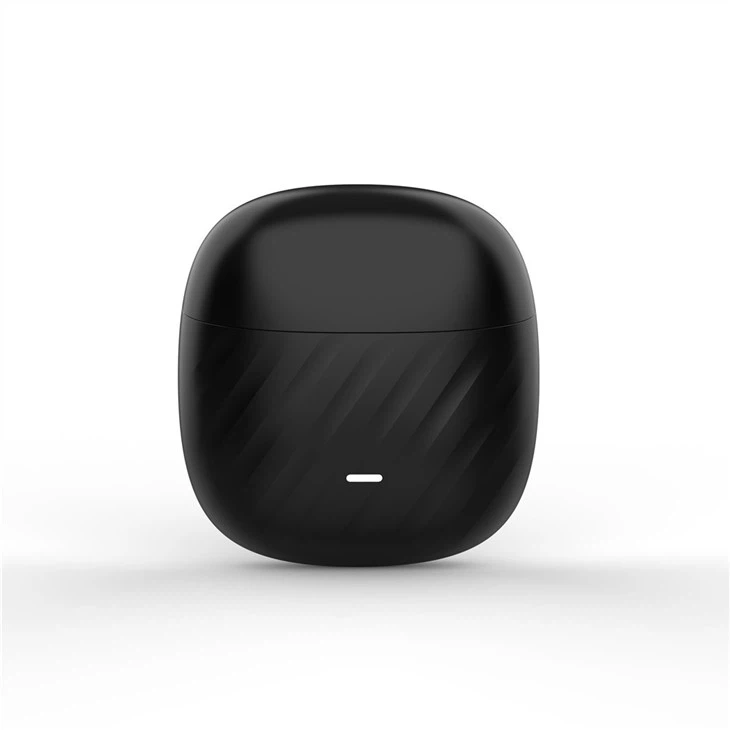
Another factor that can affect the impact of electromagnetic fields on wireless earphones is the quality of the earphones themselves. Cheaper earphones might not have the best interference - handling capabilities. They might be more prone to audio dropouts and other issues when faced with electromagnetic interference. On the other hand, high - quality earphones from well - known brands usually have better shielding and more advanced signal - processing algorithms to deal with interference.
As a wireless earphone supplier, I always recommend our customers to look for earphones that are designed to handle interference well. And if you're on a budget, don't worry! We've got some great options. Check out our 2024 New TWS Earphones Cheap Price Wireless Earphones. These earphones offer a good balance between price and performance, and they're pretty good at dealing with electromagnetic interference.
Now, let's talk about the potential health effects of electromagnetic fields on our wireless earphones. There's been a lot of debate and research on this topic. Some people are worried that the electromagnetic radiation from wireless earphones might be harmful to our health. But the scientific consensus so far is that the levels of electromagnetic radiation from Bluetooth earphones are very low and are not likely to cause any significant health problems.
The World Health Organization (WHO) has conducted extensive research on the health effects of electromagnetic fields. They've classified radiofrequency electromagnetic fields, which include the frequencies used by Bluetooth, as "possibly carcinogenic to humans," but this is mainly based on studies of cell phones, which emit much higher levels of radiation than wireless earphones. The radiation from Bluetooth earphones is so low that it's considered to be well within the safety limits set by international standards.
In addition to the interference and health concerns, there's also the issue of battery life. Electromagnetic fields can sometimes have a small impact on the battery life of wireless earphones. When the earphones are constantly trying to deal with interference, they have to work harder, which can drain the battery a bit faster. But again, this is usually a very minor effect, and it's not something that should stop you from using your wireless earphones.
So, to sum it all up, yes, wireless earphones can be affected by electromagnetic fields. Interference can cause audio problems, but modern technology helps to minimize these issues. And the health risks associated with the electromagnetic radiation from wireless earphones are very low.
If you're in the market for some new wireless earphones, whether you're a casual listener or a music enthusiast, I'd love to have a chat with you. We can discuss your needs and find the perfect pair of earphones for you. Feel free to reach out to me for more information or to start a procurement discussion.
References
- World Health Organization. (202X). Electromagnetic fields and public health: Fact sheet.
- Bluetooth Special Interest Group. (202X). Bluetooth technology overview.